
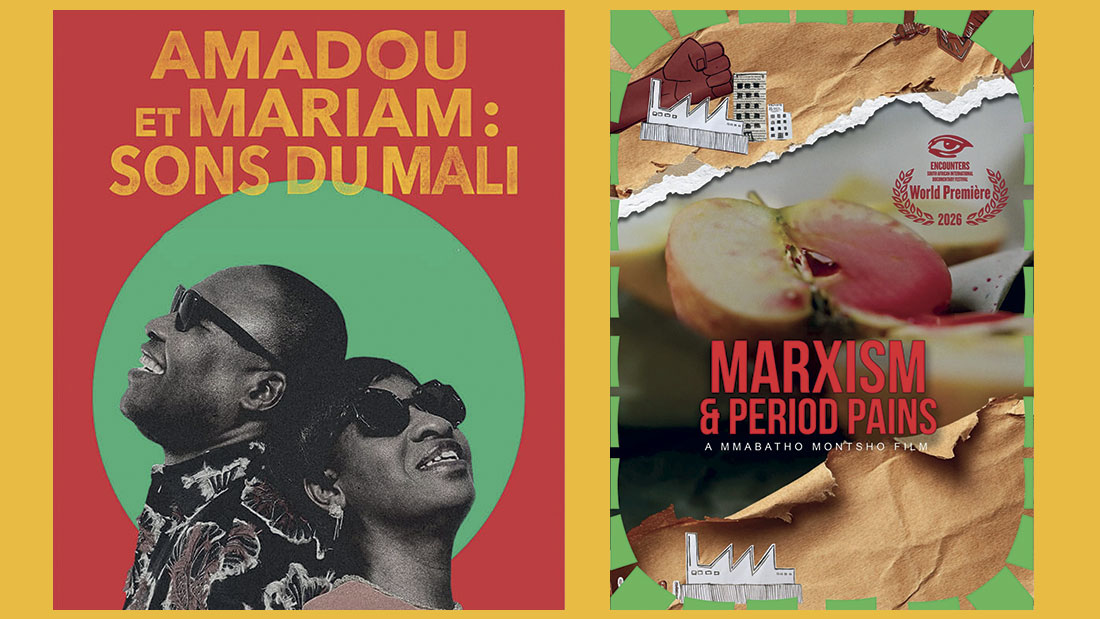
Qualification: Amadou et Mariam: Sons du Mali
Address: Ryan Marley
Country: Mali/Canada
Year: 2026
In a few years this documentary will be a historical musical archive. Thanks to the work that premiered last February at the Biarritz International Documentary Film Festival, we rediscovered the most famous blind couple on the continent: Amadou – with his guitar – and Mariam – with her voice. They both composed, each at their own pace: she in the tranquility of the night and he in the morning. A work that reconstructs their lives, their meeting at the Institute for Blind Youth in Bamako and their first concert on January 20, 1976. They made extensive tours throughout Africa and the West. This context justifies that the project by Canadian director Ryan Marley – who speaks neither French nor Bambara – is a must-see. Amadou and Mariam have been, without a doubt, the most famous duo in Mali and one of the most successful exponents of African pop.
“This is not a documentary about disability, nor about music, but about a love story,” summarizes Marley. The death of the guitarist (April 4, 2025) is announced in the first minutes of the film, which takes us through five decades of life through which Tiken Jah Fakoly, Manu Chao and Matthieu Chédid appear. “We were intimidated by their talent,” admits singer Chris Martin, recalling the ten times the duo opened for Coldplay. Of course, at no time is the political context that inspired his music eluded, portraying the convulsive panorama of a country divided, since 2012, by the jihadist insurgency.
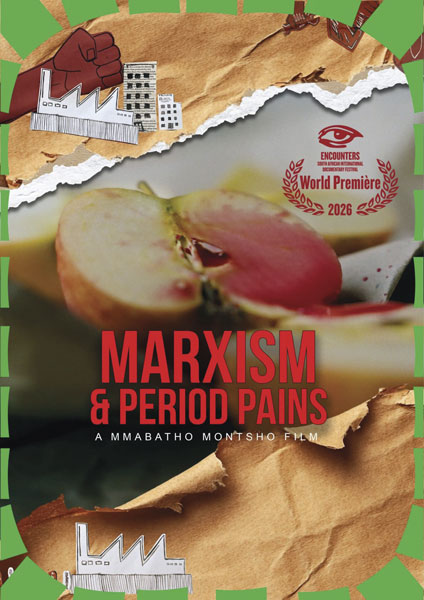
Qualification: Marxism & Period Pains
Address: Mmabatho Montsho
Country: South Africa
Year: 2026
It has been one of the works that has sparked the most debate at the Encounters Film Festival, the annual documentary event held in Bristol (England), and it is not strange: turning menstrual pain into a political issue is no small gesture. The South African Mmabatho Montsho starts from an experience historically confined to the private sphere to explore how patriarchy and capitalism permeate women’s relationship with their bodies. Through the voices of educators, health professionals, students, and workers, the director exposes an uncomfortable contradiction: women are expected to respond to work demands as if their bodies did not menstruate, while the same structures that sustain that logic make it difficult to even talk openly about pain. A film capable of transforming everyday life into a broader reflection on bodies, power, work and social justice.
