
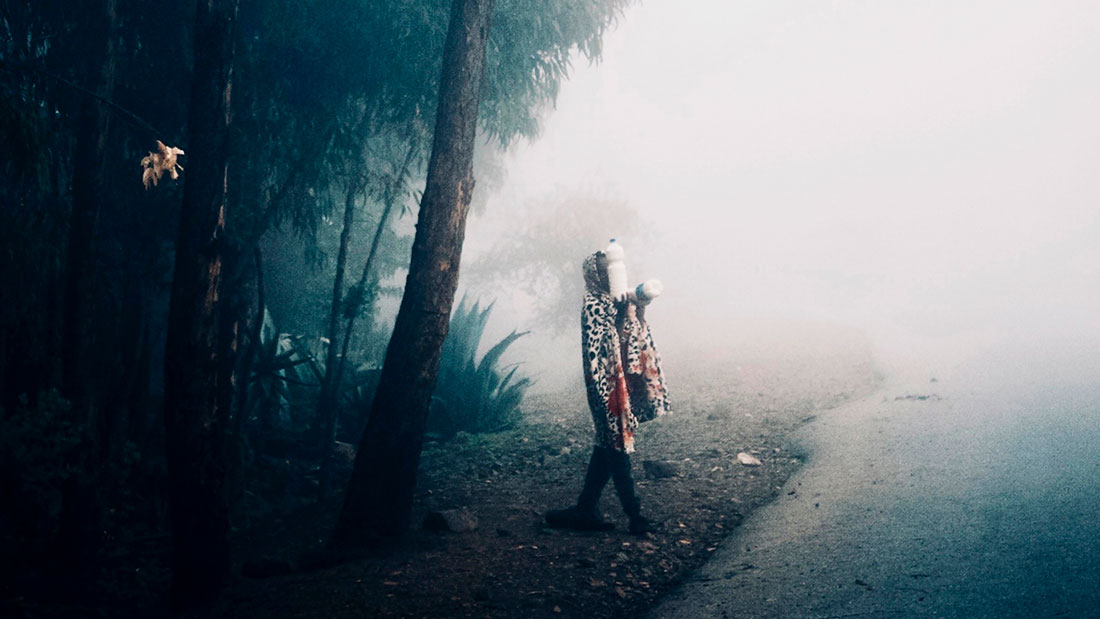
Addis Ababa and Tigré in the eyes of two local photographers.
The Sura Gallery, located in the Balqís bookstore in Madrid, is hosting the exhibition «Ethiopia: revealing the space» until September 30»a story constructed from the images of photographers Tsion Molla and Frewoyne Gebru, and curator Edith Arance. The exhibition offers an unprecedented and surprising journey to two places in Ethiopia, a country overloaded with stereotypes and Western exoticization: its capital, Addis Ababa, seen through one of its inhabitants –Tsion Molla (2003)–, and the region of Tigré, captured by the Tigrin Frewoyne Gebru (1999).
As usually happens with her exhibition projects, Edith Arance, who in addition to being a curator is director of the Sura Gallery, discovered the young photographers through the Internet and contacted them remotely. «I saw that in the photos of both the space was the protagonist. But at the same time, these spaces are telling a lot about how they live their daily lives and how people live in those places. The title alludes to the fact that they reveal their lives to you through the space where they live. On the other hand, their photographs have to be developed to end up in an exhibition so that other people can see them, so that they don’t stay on the camera or on the phone,” says Arance.
The beautiful rhythm of everyday life
Tsion Molla is not a person of many words. What he likes is to observe and listen to his surroundings and, when the time comes to share, do it through his photographs. Photographing also helps you reflect on what is happening in your life and what is happening around you. «I began to love freezing through photography what I observed, things that I feel would otherwise go unnoticed or forgotten. With photography I invite other people to feel and see what I felt and saw,” he says.
He became interested in photography during the COVID pandemic, when he had little to do. On the upper floor of the house where he lives with his family in Addis Ababa, through a small window, he watched the sunset every day. Recording those moments he ended up becoming passionate about this art and giving it its own meaning. «The main message I want to share is the true and complete reality of our identity. For too long, the outside world has only seen a single, limited narrative of Ethiopia and Africa, focused entirely on absolute poverty. Through my photographs I want to open a different space and show that within our daily lives there is immense beauty, a rich history, a deep spirituality and cultural values that keep us united as a society,” he explains to MUNDO NEGRO. “I want the public to see that, despite the challenges of history and neo-colonialism, our dignity and the richness of our soul remain completely intact.”
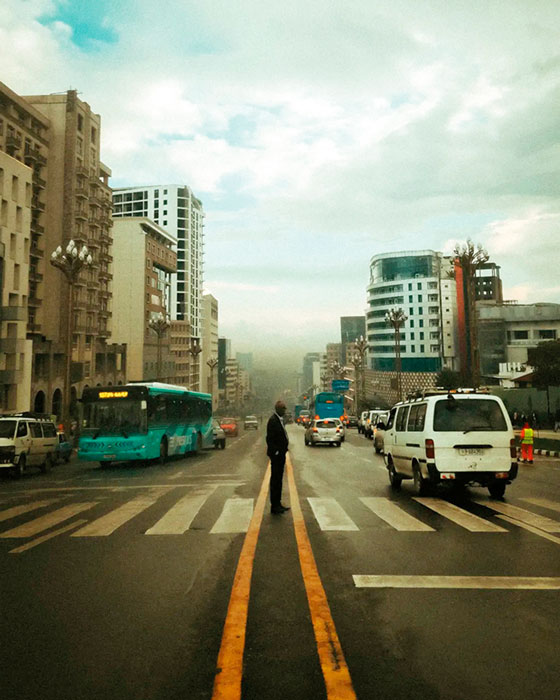
Addis Ababa: a living canvas
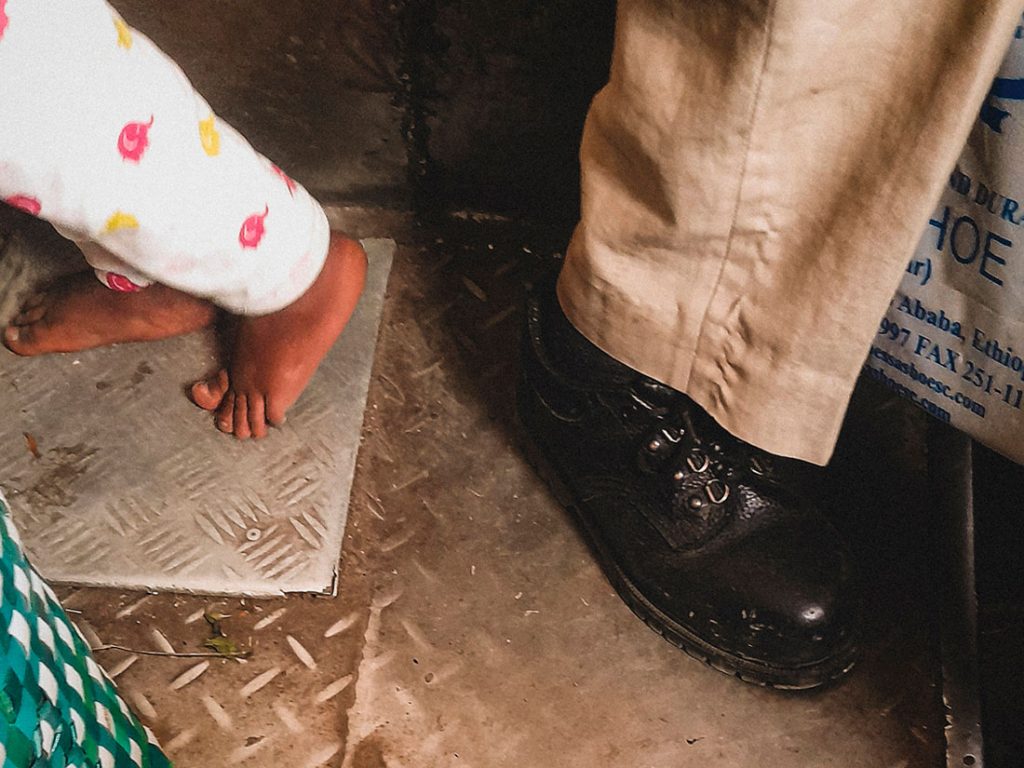
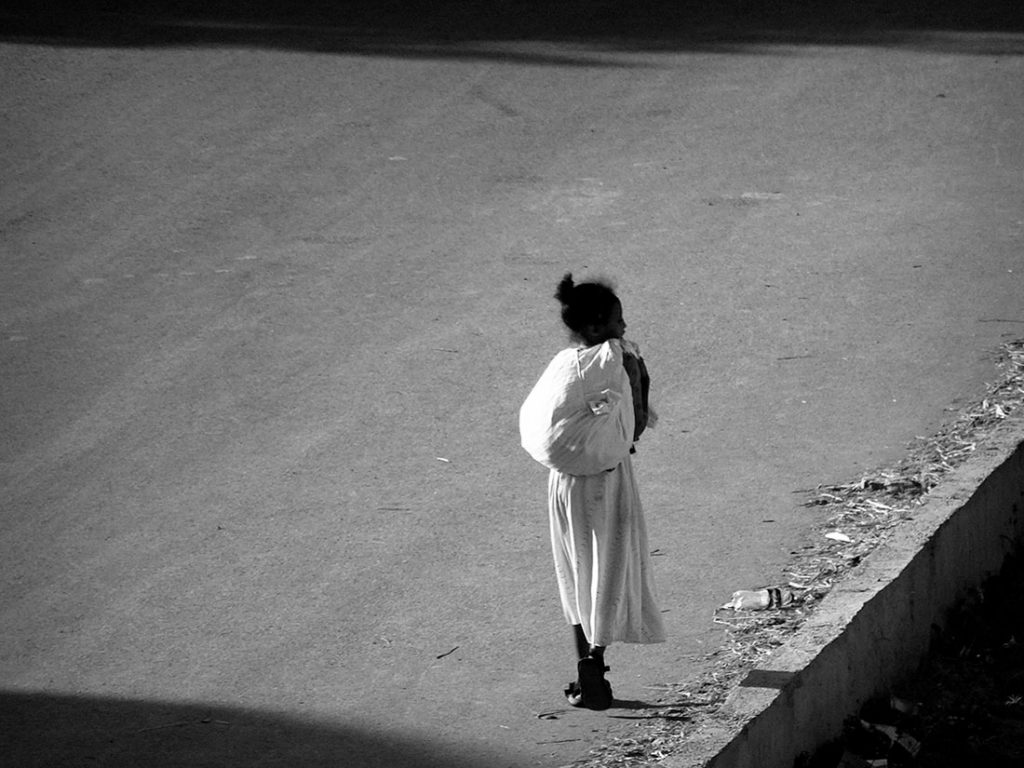
He studies media and communication at university, but dedicates as much time as possible to photography, looking as if through a lens as he walks the city streets. He sees himself working full time on this in the future, telling the stories of his people and seeking the balance between tradition and modernity. “I love being a silent observer on the streets of Addis Ababa, documenting the normal and unprepared moments of daily activities.” In the exhibition, an image shows the feet of passengers on a bus, a person cleaning in the market, a man crossing a busy avenue, two customers in a tailor shop… «I look for the places where our deeply rooted cultural norms and modern life coexist. For me, Addis Ababa is home, but also a living canvas. It represents the perfect image of a society that lives in two eras at the same time. A place of beautiful contradictions. A city where a modern glass building stands right next to a traditional open-air market, and where the sound of heavy construction mixes with the silent singing of morning prayers.
The capital is changing faster than ever. He understands that when people call it the New York of Africa they are referring to the speed of modernization, but he doesn’t like the comparison. Addis Ababa doesn’t need to be the New York of any place, he thinks. “It has its own history, its own soul and its own unique identity that cannot be replicated,” he says. “Modern buildings are the new backdrop, but the people of Addis Ababa remain the true heart of the city.” These are the people Tsion wants to focus on using whatever device he has in hand, whether it’s his phone or a camera he rents or borrows. He is interested in those who are experiencing this rapid transformation and clinging to their rituals and sense of community in the midst of a changing urban landscape.
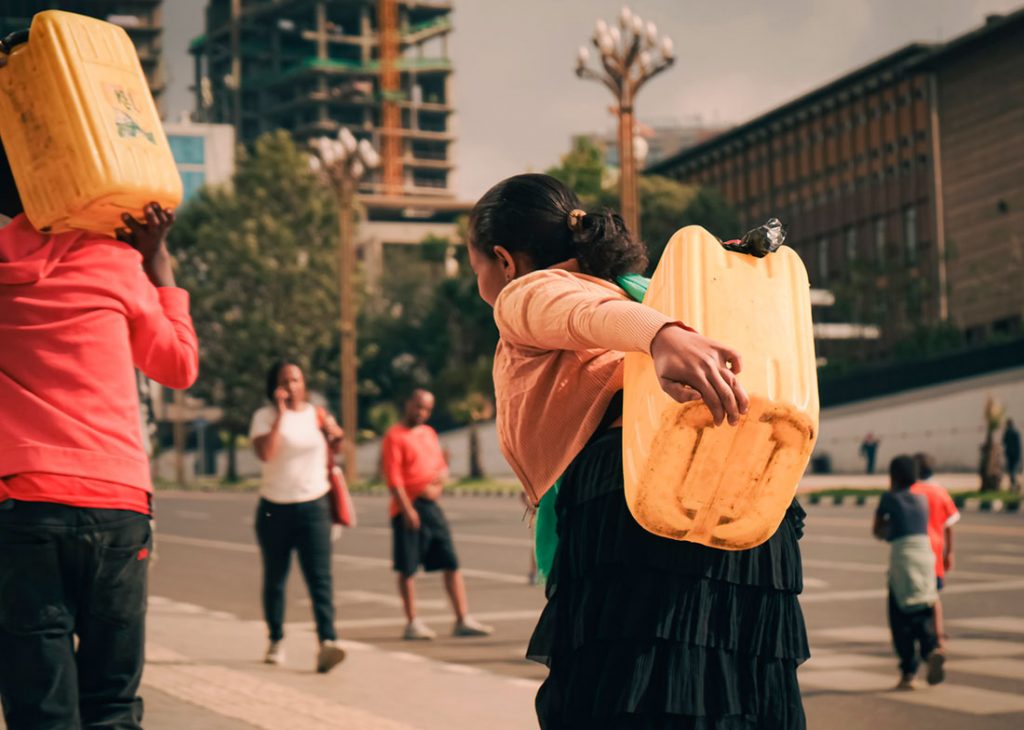
We asked him what he thinks about his photographs being exhibited for the first time, along with those of Frewoyne Gebru, in a gallery in Madrid: «It is incredibly moving and exciting. Seeing that my work has the potential to spark conversations beyond myself and the people around me means a lot to me. “It’s amazing to think that moments from my daily life in Addis Ababa can connect with people around the world.”
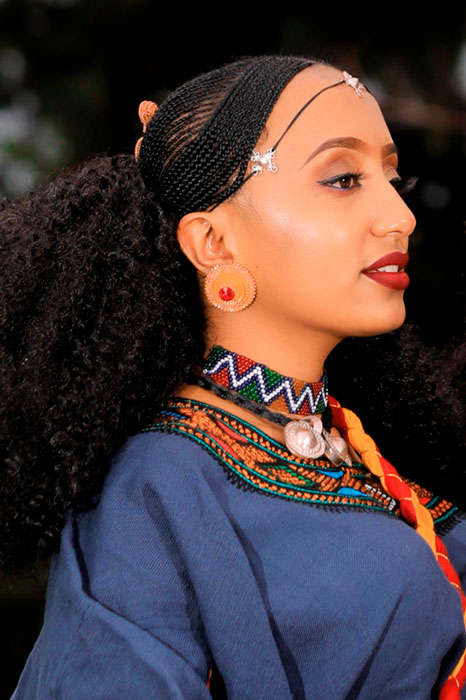
Another way to see Tigre
“I take photographs because they allow me to preserve what time cannot,” says Frewoyne Gebru, based in Addis Ababa, but with roots in Mekele, the capital of the Tigray region, in the north of the country. “Every time I raise my camera, I try to protect a memory, a landscape, a face or a feeling from its disappearance.” As a child she watched her father document family events with his Yashica camera. Those moments sowed the seed of the beauty in preserving memories, and the seed grew silently with her. Years later, studying Civil Engineering in Aksum, he began exploring photography with his phone. “I was fascinated by the changing light on ancient landscapes, the quiet beauty of villages and the stories hidden in everyday life.” He learned from YouTube tutorials and hours of practice. He took a course in Production and Cinematography with the artistic association Chura Abugida, in collaboration with Mekele University, and continued to deepen his knowledge of photography through other workshops and online courses. His work focuses mainly on Tigré.
«For me, photography is not just about creating pretty images. It is about giving dignity to places and people and allowing them to be remembered. It’s also something personal, I discover myself. Each image I make reflects not only what is in front of me, but also what I carry inside: my memories, my emotions, my faith and my deep love for the land to which I belong,” he explains.
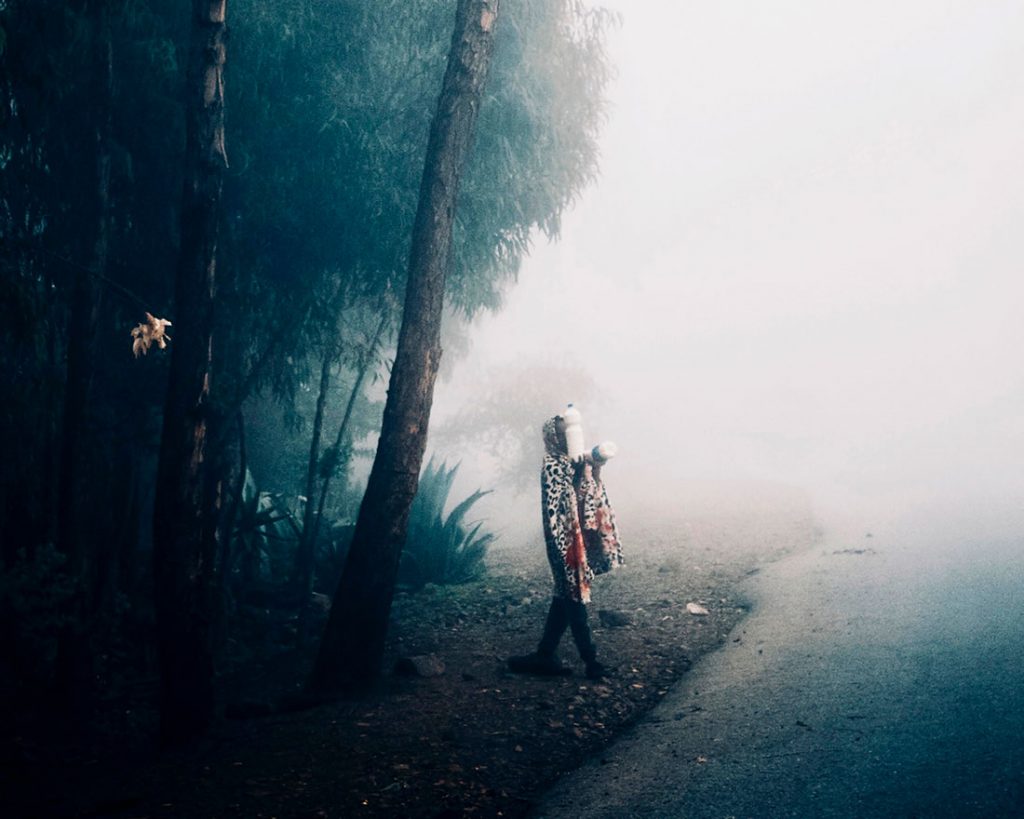
Landscapes produce a strong attraction for him. Also cultural heritage such as ancient churches carved into mountains and the daily life of local communities that tell stories that deserve to be remembered. She is fascinated by the relationship between people and the landscapes they inhabit, in which the photographer feels strongly rooted. In recent years, Tigré has appeared more frequently in the current affairs sections of the global media due to the crisis caused by the armed conflict that broke out in 2020 between the regional authorities and the federal government, and which continues to be in a very delicate moment, with occasional clashes. «I want people to discover another way of seeing Tigré. For many people, it has become known only through stories of conflict. That is part of our history, but it does not define our identity,” Gebru remarks. «I want viewers to find another truth: a land of towering mountains, ancient civilizations, deep spirituality, resilience and a living culture that has endured for thousands of years. Each photograph is an invitation to stop, to look beyond the headlines and recognize that beauty, hope and humanity continue to exist even after difficult times. Conflict is not something I observe from a distance. It is part of my life because it has touched my homeland, my community and people I love. Like many people from Tigré, I have lived with pain, uncertainty and sadness to see places full of history and memories now associated with the conflict. That’s why I feel an even greater responsibility to photograph Tigré with honesty, dignity and love. I believe that every place deserves to be remembered in its entirety. “A single chapter should never define an entire story.”
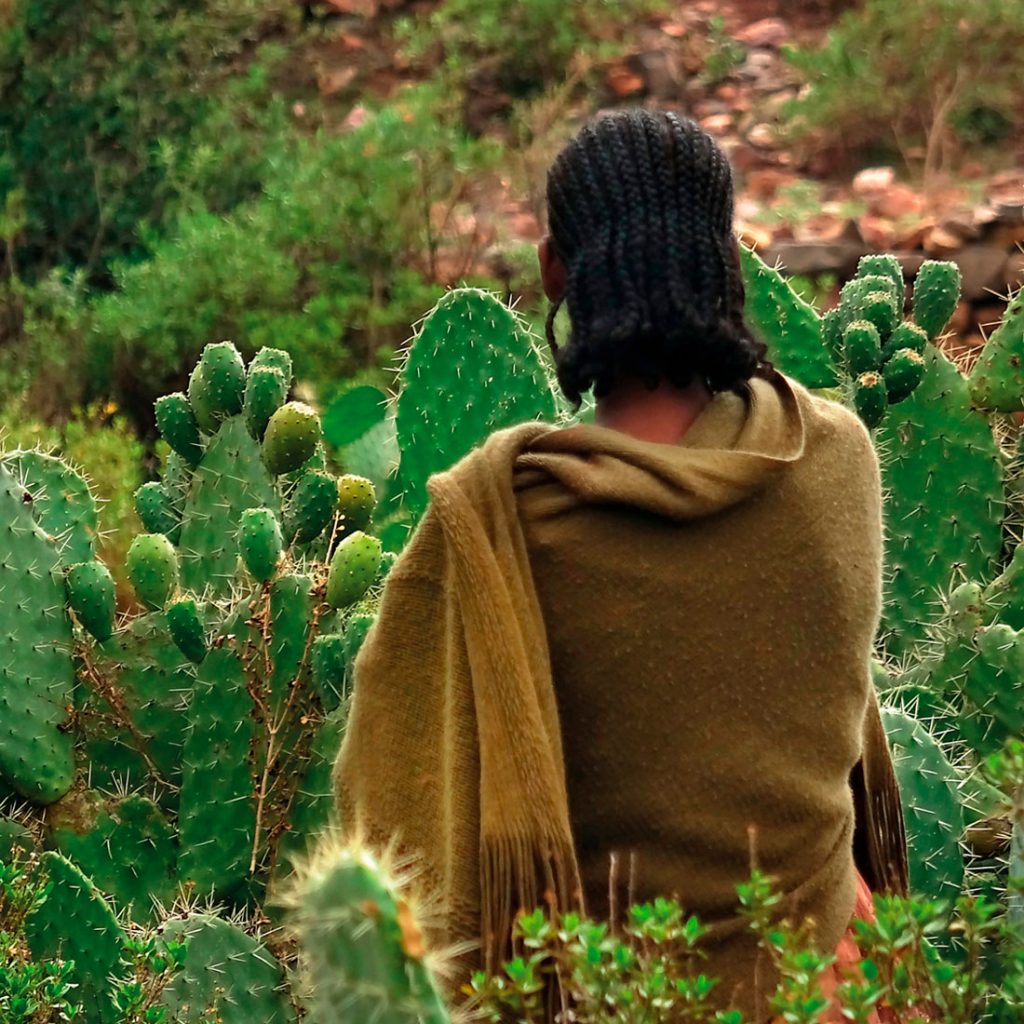
A silent conversation with the earth
When Frewoyne photographs people, she tries to create an atmosphere of trust where they can simply be themselves. He doesn’t ask them to pose. Observe in silence. The most meaningful portraits, he thinks, are those in which people forget about the camera and simply continue living their lives. «What interests me most is dignity. May each portrait reflect the humanity, strength and individuality of the people, instead of turning them into an object of curiosity. When you are going to photograph landscapes, spend time listening to that place. Observe the changing light, the silence and movement of the clouds, the atmosphere that surrounds it. Wait until you feel emotionally connected to that moment. Meaningful photographs are born from patience, not speed, he says. “I want people to not only see the landscape, but feel its presence.”
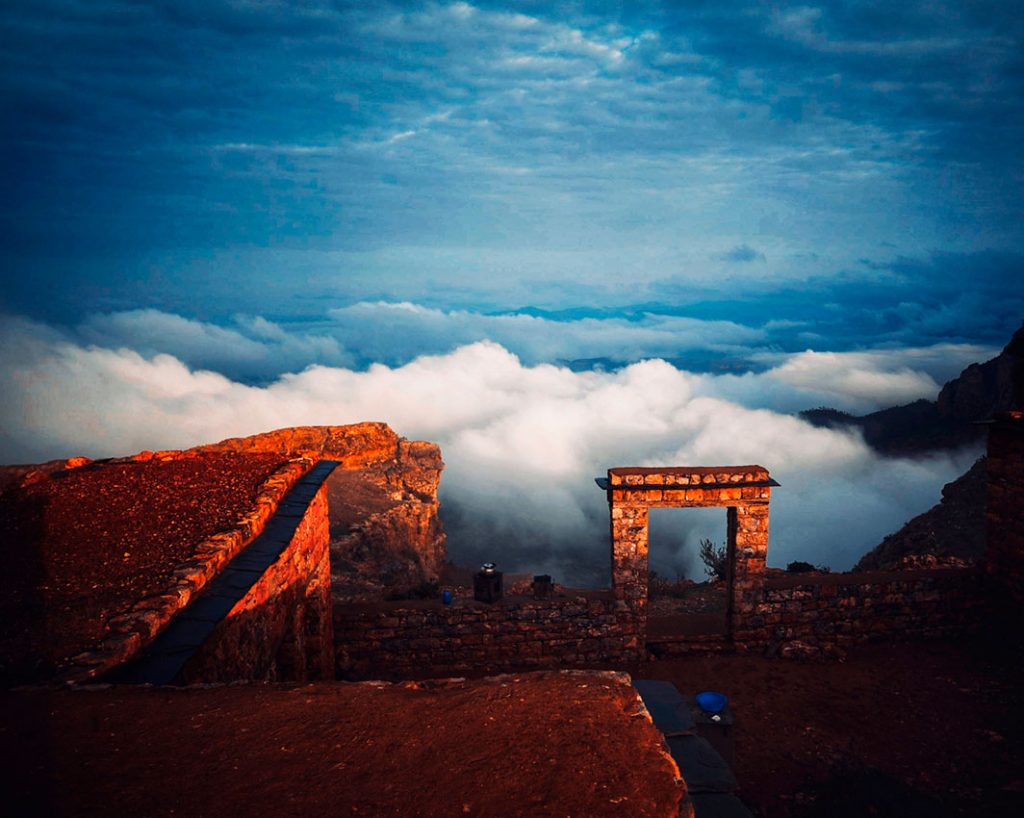
Comment on one of his photographs exhibited in «Ethiopia: revealing space», titled Gate to heaven: «I photographed her in Shimbreyti, high above the Gheralta Valley, just before dawn. Standing in complete silence, I observed an ancient stone arch framing what seemed like an endless sea of clouds stretching beneath the mountains. At that moment, I felt as if the boundary between earth and sky had disappeared. The arch became more than a natural formation, I felt it like a door between the physical and the spiritual, between the human world and something eternal. The clouds flowed like rivers of light beneath my feet, while the mountains remained silent, carrying centuries of history, faith and memory. This photograph reminds me that nature can become a place of contemplation, where we feel incredibly small and, at the same time, deeply connected to something bigger than ourselves. This photograph for me is a portrait of Tigré’s soul. And, in many ways, a portrait of my own.”
The relationship that Frewoyne feels with nature is not one of observation, but rather one of belonging. You don’t feel like a visitor when you walk through the Tigré mountains. He feels at home. Every mountain he photographs feels familiar, like meeting an old friend, he says. When you travel through these landscapes, you feel the memory of your ancestors. «Photographing Tigré is an act of love. When I photograph this land, I don’t try to own it. I enter into a silent conversation with her.
For both Tsion Molla and Frewoyne Gebru – and this is something that anyone who visits the exhibition at the Sura Gallery will see – photographic practice is strongly connected to their way of living spirituality. Tigrin explains it beautifully: “Many of my most meaningful moments occur in silence: watching the first light touch the mountains, standing next to an ancient rock-cut church, or walking through valleys where generations have lived before me. In those moments I feel a deep sense of gratitude, peace and humility. Photography has become part of my spiritual life because it teaches me to be fully present. And it reminds me that beauty is not something we create: it is something we learn to recognize. “My camera allows me to share that experience with others.”
*The exhibition “Ethiopia: revealing space” can be visited at the Sura Gallery (Madrid) until September 30. Although the Balqís bookstore, where the gallery is located, is closed, there will be closed-door visits to the exhibition in the last week of July and August. Contact and reservations through the gallery website.
