
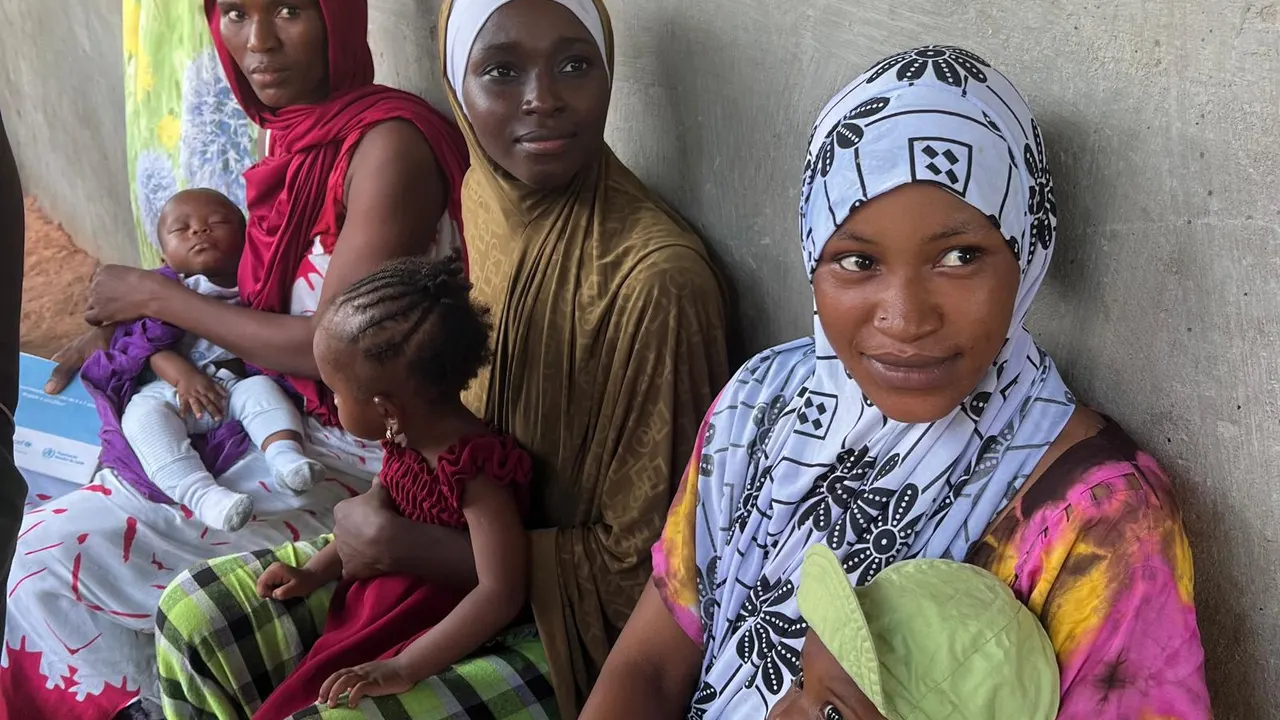
It is very common to see pregnant Bisauguinean teenagers of 12, 13 or 14 years old. According to data managed by Unicef, almost 3 out of every 10 minors in Guinea-Bissau have children before reaching the age of majority and 10% before turning 15 years old.
In Onda Cero we speak with sister Florinda E Sa who manages a mother’s home and nutrition recovery center in Gabú, a Cáritas project in collaboration with Unicef, where they teach them how to raise their children because they go directly from childhood to adulthood.
Forced marriages and early pregnancies have been normalized
“In early marriage, and also forced, a mother begins to have her children at 12 and 13 years old. It is a children’s society in which girls take care of other children,” says this nun from the Congregation of the Franciscan Missionary Clarisses.
The added problem is that, according to Unicef, 45% of women and girls between 15 and 50 years old have suffered female genital mutilation – a practice that constitutes a violation of human rights – and which entails too many risks such as infections, serious bleeding and psychological trauma. There are young people who bleed to death in childbirth, as Inês Gomes, a midwife at the Bissau Maternal and Child Hospital with whom Unicef collaborates, warns on Onda Cero.
Excision in Guinea-Bissau is prohibited and penalized, but not abolished
“If we have a pregnant woman with female genital mutilation, when the baby is close to being born – during the birth process – a tear can occur in the clitoris. It is very serious. There is a lot of bleeding,” laments Inês Gomes.
Female excision is the order of the day in Guinea Bissau, despite the fact that it was banned in 2011 and penalized with prison sentences, although in no case abolished.
