
Four months later, Manos Unidas recalls that Venezuela has disappeared from the media spotlight and from the interest of the international community, despite the fact that we cannot speak of an emergency that has been overcome.
Jesuit priest Jesús Rafael Rodríguez, director of Unidos en la Mision Foundation (local partner of Manos Unidas) assures that “the emergency has not ended, but rather its phase has changed. And its phase has changed because real needs are beginning to appear and we are in that phase of recovery and reconstruction.”
Jesús Rafael Rodríguez, better known as Txuo, warns that there are many people who are afraid of staying indoors, and tells us that it is necessary to explain to the children who are returning to school these days that some of their classmates and teachers are not going to return.
Children must be prepared to face absences, also at school
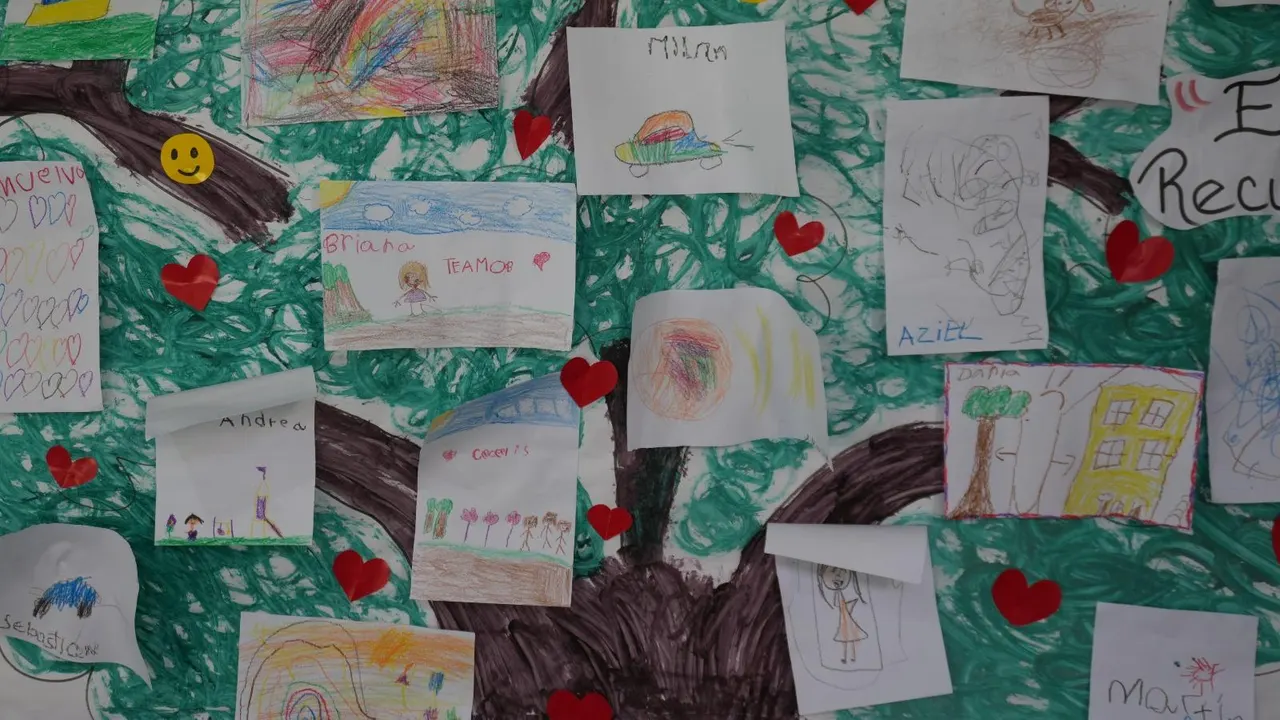
There are around 400 schools affected by the earthquake, which means that around 200,000 children and adolescents have been affected or have had their educational process affected. “A child’s return to class means that he has to return to a school where he will not find his friend or perhaps his teacher will not be there either, that is, because many people were buried in the rubble and therefore a psychosocial recovery must also be carried out, a psychological recovery that allows these children to return to class safely,” says Txuo.
“Many people are afraid to stay indoors”
The earthquakes of June 24 left more than 20,000 Venezuelans homeless, nearly 200 buildings collapsed and whose reconstruction – according to the World Bank – could last at least a decade and reach 37 million dollars: 6% of Venezuelan GDP.
This Jesuit priest does not lose hope. “In the future I imagine a Venezuela where each of us works, contributing from our capabilities and building a unique plan for our country.” He imagines a Venezuela where the 9 million compatriots who migrated can return and contribute to the necessary reconstruction.
“I imagine a prosperous Venezuela”
Txuo draws a Venezuela with possibilities because – despite the humanitarian crisis and the earthquakes – he is convinced that people have a capacity for solidarity, for wanting to contribute and for resilience despite political differences.
