
By Chimwemwe Padatha
Over the past three years, Malawi has had to confront the effects of climate change. The country has been affected by powerful cyclones, poor harvests and droughts. Specifically, Cyclone Freddy caused massive destruction in 2023, especially in the districts of the Southern region, where it caused the death of hundreds of people and damaged homes and public infrastructure, such as hospitals and roads.
Environmentalists continue to pressure the Government to influence public policies, fill funding gaps and strengthen resilience in the face of these crises. Furthermore, another issue raised by environmentalists is the proliferation of illegal gold mining, which is attributed to a significant impact on flooding, raising environmental and health concerns among the population.
Charles Mkoka, executive director of the Environmental Rehabilitation Coordination Union, blames a lack of awareness about its effects on soil destruction and points out that such activities increase the risk of landslides: “We must ensure that the necessary measures are taken to address the problems related to illegal gold mining, but also raise awareness of the dangers that arise when people do not respect the regulations. “It is very important that we increase awareness about the consequences of these types of activities, as well as inform the public about the implications of the use of chemicals.”
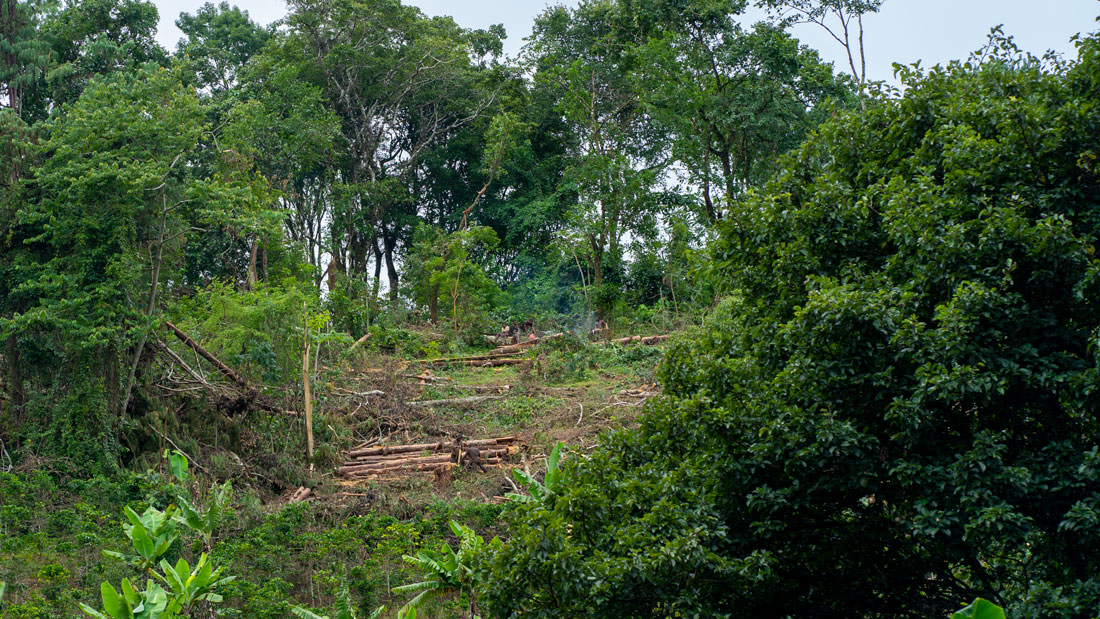
Mkoka’s remarks reaffirm findings from June 2026, which show Malawi losing around 250,000 hectares of forest annually, increasing the country’s vulnerability to floods, droughts, heatwaves and cyclones. In the document, environmentalists demand collective commitments to protect the environment and conserve biodiversity. These conclusions come amid warnings from meteorologists that Malawi could be hit by a storm during the 2026-2027 agricultural season.
The government in Lilongwe has responded to this warning by developing a plan to reduce the risks of food shortages and extreme weather events, but experts say the strategy must go beyond protecting crops: “We must also focus on food security and social protection, paying special attention to the most vulnerable to reduce the effects of the impending El Niño phenomenon,” says environmental expert Maloto Chinkhombero. Experts maintain that isolated interventions will not be enough. They recommend stricter enforcement of environmental legislation, greater investment in clean energy, improving waste management infrastructure and restoring degraded forests.
Despite the challenges, there are encouraging signs. Administrations and civil society organizations are promoting tree planting and sustainable land management, while investing in renewable energy technologies. Furthermore, Peter Mutharika’s Government is being encouraged to strengthen disaster preparedness and early warning systems to mitigate the effects of adverse weather conditions. Among the most notable recommendations is supporting vulnerable communities through climate-resilient livelihoods, social protection programs, crop and livestock insurance, as well as access to affordable credit in the wake of climate-related disasters.
