
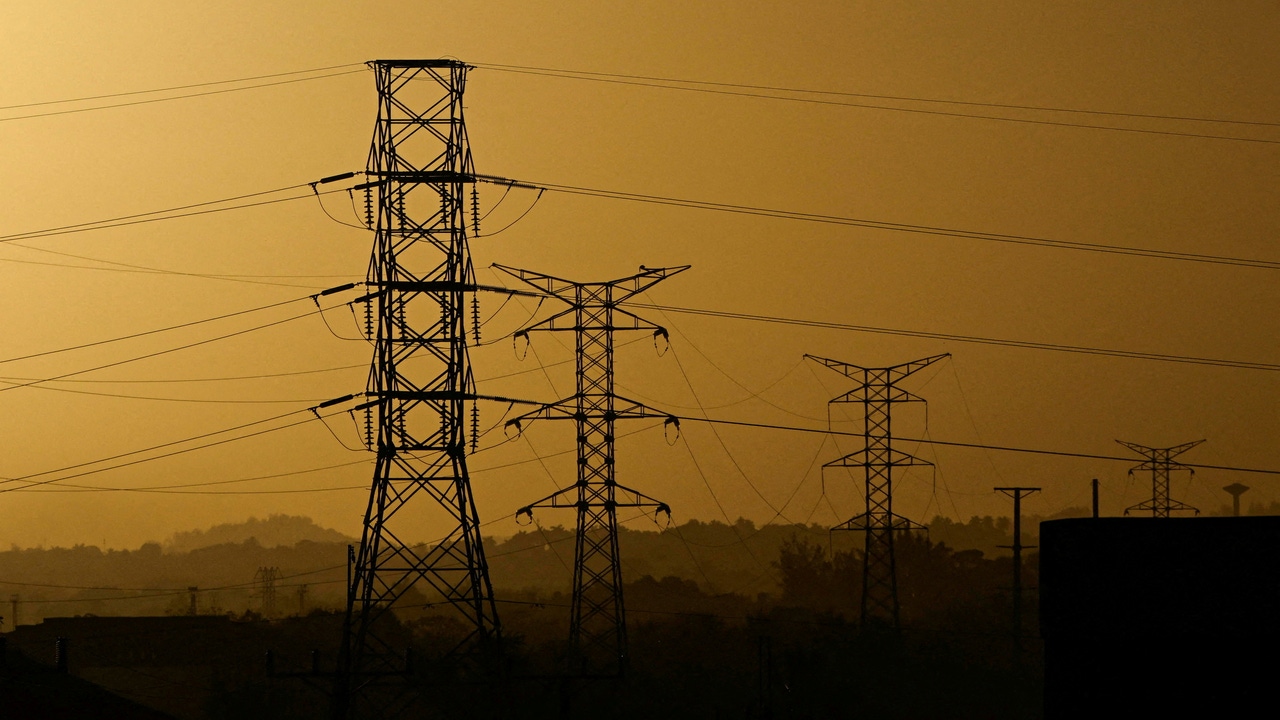
The energy crisis in Cuba is more than evident. This Monday, the country recorded a new outage in the electricity grid nationwide, which represents the sixth in a year and a half. This problem arises from the conjunction of a deeply obsolete electrical system and the United States oil blockade.
Most of the outages of the National Electric System (SEN), from which the island has taken days to recover, were associated with failures and breakdowns of the Antonio Guiteras thermoelectric plant, one of the main ones in the country, although natural disasters also had a negative influence.
Even so, the energy crisis has been part of the daily lives of Cubans for years. Outages of 15 hours a day have become normal in Havana, while in some provinces disconnections of 48 hours have been recorded.
Six blackouts in less than two years
Looking back, on October 18, 2024, a fault was detected in the aforementioned Antonio Guiteras thermoelectric plant. The Cuban Government then declared a state of “energy emergency”, thus recognizing the seriousness of the crisis.
Less than a month later, on November 6, 2024, the country once again suffered another blackout: the second collapse of the SEN in three weeks. This blackout, according to the EFE agency, was associated with the passage of Hurricane Rafael, category 3, through western Cuba. The recovery lasted up to a month in rural regions, since in addition to reconnecting the electrical grid and synchronizing the thermoelectric plants, it was necessary to repair clabes and facilities that were damaged by the strong winds.
Also in the same year, already in the month of December, Cuba once again suffered the third national blackout in just three months. On this occasion it was caused by the breakdown of the Antonio Guiteras power plant. Most of the system was restored on the third day.
The fourth blackout arrived on March 14, 2025. According to authorities, the cause was a fire in a substation in Havana. Fortunately, this time the waiting time was shorter: in some regions of the country it was restored in two days.
Months later, in September 2025, Cuba records the fifth total collapse of the SEN in less than a year. Once again, problems were detected at the Antonio Guiteras plant, although it was later said that the facility had not suffered damage and was ready to operate again. This time, in just one day, around 40% of the country had electricity again.
This is until March 2026, when this Monday the sixth blackout was recorded in the country, leaving six million people without electricity. This, according to the aforementioned news agency, is the first that the country has suffered at a national level since the oil blockade, something that could affect the speed of the recovery.
What Donald Trump says
The American president, in the midst of the crisis, has spoken out to affirm that it would be “an honor” for him to take over the country. These statements come after Donald Trump stated last Sunday that the United States could soon reach an agreement with Cuba or take other measures.
“Cuba also wants to reach an agreement, and I believe that very soon we will reach an agreement or do whatever is necessary,” the president said in statements to the media aboard Air Force One. “We are talking to Cuba, but first we will deal with Iran.”
