
International tensions and possible trade restrictions on Iran could have a direct impact on the price of some foods in European supermarkets. The Middle Eastern country is one of the world’s largest exporters of various agricultural products, especially nuts and spices. If the conflict continues, these foods could become more expensive for consumers.
According to official Iranian trade data, the country’s agricultural exports exceeded $5.2 billion in the last year, with millions of tons sold to dozens of countries. These are the foods that would increase in price the most:
- Saffron:
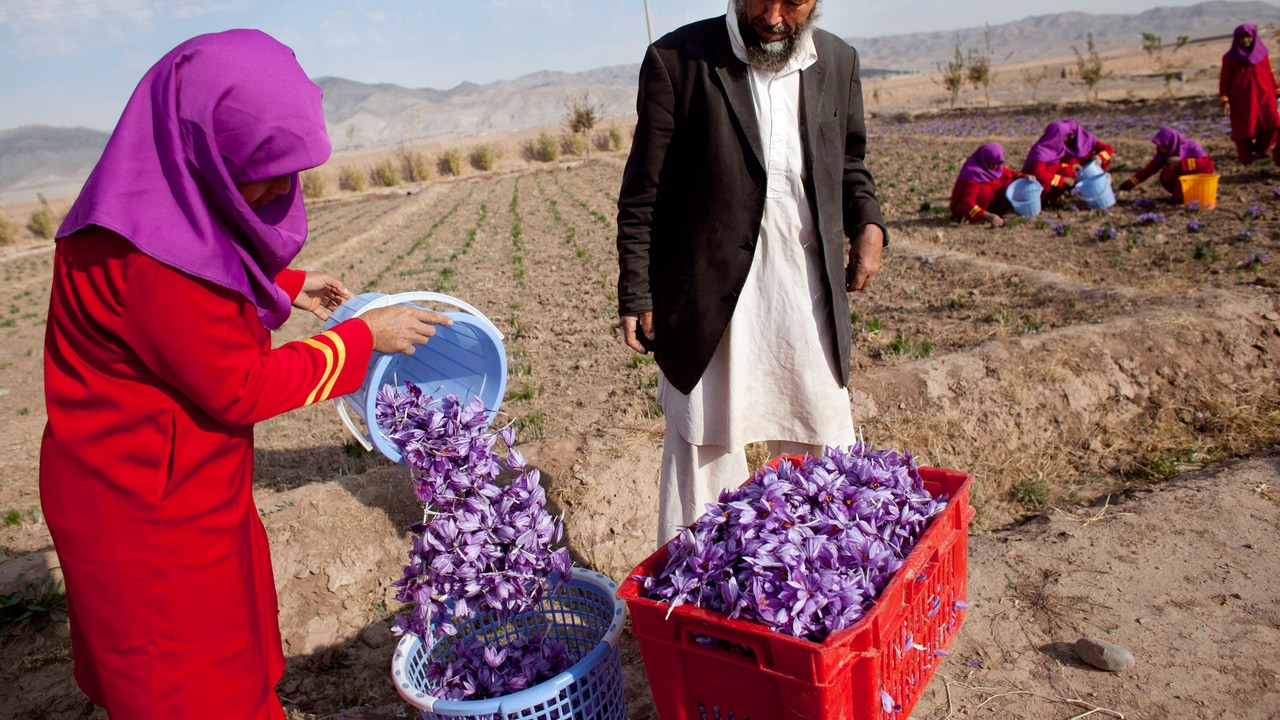
Iran produces most of the world’s saffron, supplying approximately 90% of the global market. This spice is considered one of the most expensive on the market, maintaining its high value for centuries due to scarcity, the enormous amount of manual labor required and the increase in international demand.
In fact, in the 70s and 80s, Spain became the world’s leading producer, but the crisis in rural areas caused many lands to be abandoned, leaving some areas of Toledo, Albacete and Cuenca as the only growers. Last year in all these towns about 360 kilos were collected, generating income of about 4,500 euros per kilo.
Saffron is expensive for several reasons. Mainly because it has a very limited production: each flower of Crocus sativus It has only three stigmas that become saffron. In addition, its collection and separation is done by hand, which makes it even more expensive. In total, around 150,000 flowers are needed to produce 1 kilo of saffron.
What is known as “red gold” currently costs between €5 and €15 in Spanish supermarkets for a sachet of only 0.5-1 gram. Furthermore, Spain is one of the main buyers. If the conflict continues, its price could skyrocket even more.
- Pistachios:
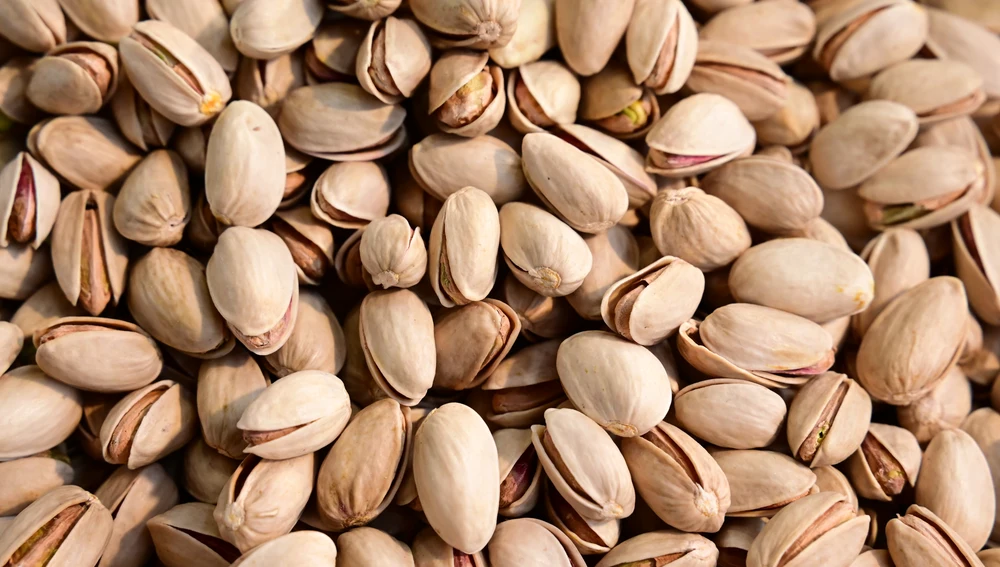
Nuts are one of Iran’s main exports, with the pistachio being the jewel in the crown. Exports of this nut generate around 1.5 billion dollars a year, placing it as one of the main world leaders in this sector.
Pistachios have become significantly more expensive around the world, both in supermarkets and in the food industry. The rise is due to a combination of high demand, harvest problems and production costs. It is a very present ingredient in pastries, snacks and gourmet products. If its export were reduced, the impact would be quickly felt in supermarkets.
In international trade, the price went from approximately $16-17/kg in 2024 to $22-23/kg in 2025, assuming an increase of close to 30% in one year. World production is highly concentrated, since the United States, Iran and Turkey produce around 88% of the world total, so any political problem in those countries can affect the global price.
- Dates:
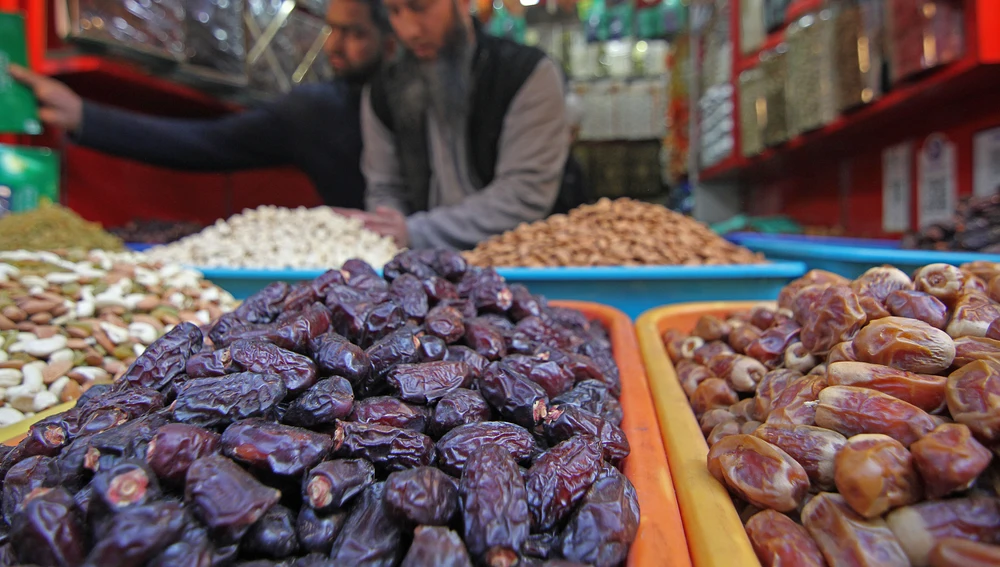
Iran is the world’s second largest exporter of dates, a product that has not stopped growing in demand and price in recent years. More and more consumers are looking for natural alternatives to sugar, with dates being a healthy alternative. For this reason, they are used as a sweetener in energy bars, fitness products and baking. healthy.
Iranian exports would be really affected and consequently the rest of the world. It produces around 1.4 million tons of dates per year and exports approximately 30% of its production. This generates nearly 400 million dollars annually.
If the conflict affects exports, transportation or production, there would be less global supply and demand would be the same, so price increases would be experienced in international markets and in supermarkets.
Other products that Iran exports that could become more expensive due to the conflict include potatoes, raisins or tomatoes. In the case of the latter, although Europe produces this food, Iran supplies several international markets, especially processed products. If exports are reduced, price pressures could be seen on some processed products.
