
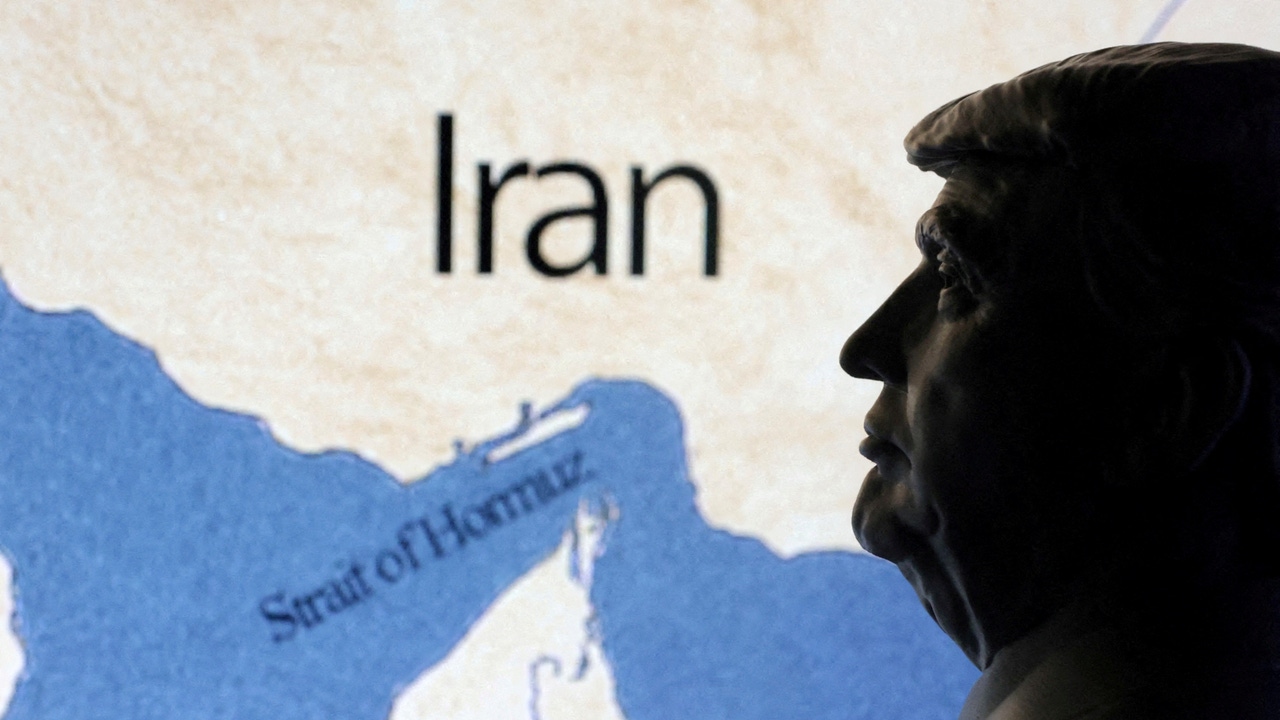
The attack by the US and Israel on Iran has once again set off alarms in the Middle East. The joint movement to “annihilate” and “destroy” the ayatollah regime, in the words of Donald Trump, may have consequences on the world stage, both politically and economically.
While the attacks occur and the effects on the global economy are being resolved, we must look at the map of the Middle East to understand the conflict. The United States, Israel and Iran find themselves in a situation of tension that dates back to 1979 with the so-called Islamic Revolution and the hostage crisis at the US embassy in Tehran.
The map to understand the conflict: from Hezbollah to Iran
Sanctions against Iran’s oil and energy sector continued over time in a relationship that was never normal between the countries, with Israel as an actor that called for eliminating the “threat” of Iran’s nuclear program. Therefore, both the US and Israel defend that this is a “preventive strike” to protect themselves from Iran.
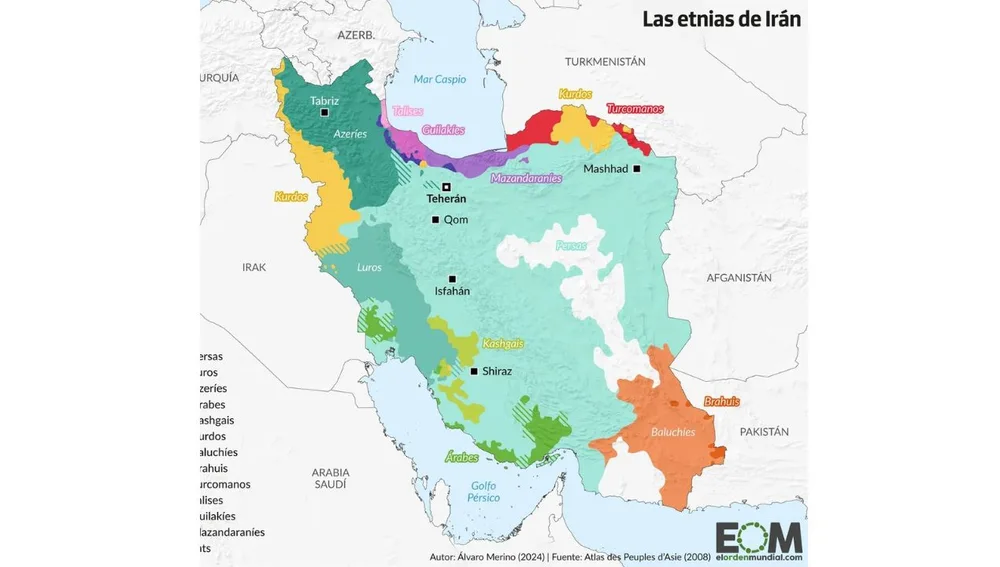
The first bombings spread across multiple points in Iran, with Tehran as the main target of the missiles, while Iranian counterattacks have occurred in various points such as Dubai, Bahrain, Jordan and Saudi Arabia.
However, the conflict has also led to the entry of other actors such as Lebanon and Hezbollah. It should be remembered that to the north of Israel is the border with Lebanon, being one of the most sensitive points of conflict between the two nations and where Hezbollah operates, classified as a terrorist group by Israel and also by the US.
The Iranian regime supports Hezbollah, which joins the conflict by carrying out an attack with projectiles and drones against northern Israel. Shortly after, the Jewish State launched a new offensive in southern neighborhoods of Beirut and other parts of Lebanon that represent weapons depots and infrastructure for the Shiite group in several regions.
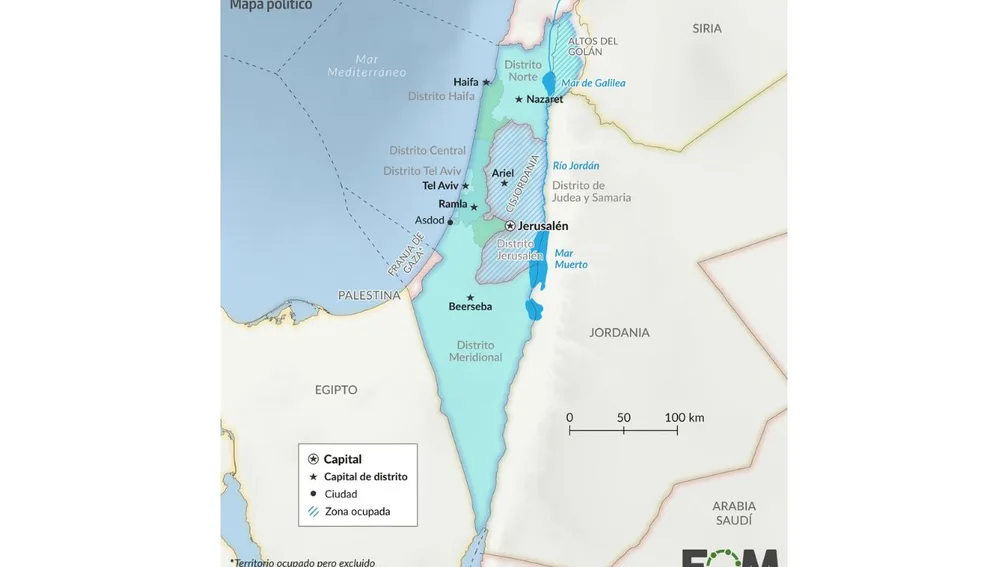
This is the first confrontational action between Lebanon and Israel since the ceasefire came into force at the end of 2024. The Israeli Army explained it as a “selective attack” against senior Hezbollah commanders “in the Beirut area”, while reporting that another “key” official of the Lebanese political and armed movement was hit in the southern region of the country.
Lebanese Prime Minister Nawaf Salam described the attack launched by Hezbollah against northern Israel as “irresponsible” and promised not to let the country be dragged into a new conflict, just over a year after the end of the last war.
The Lebanese government had been seeking guarantees for days that the Shiite movement, an ally of Tehran, would not get involved if the United States attacked Iran. However, Hezbollah had already indicated before this conflict that for them any attack against Ayatollah Khamenei was a red line.
More than 550 dead in the conflict
The death toll due to the joint military offensive launched by surprise on Saturday by the United States and Israel against Iran amounts to more than 550, as confirmed this Monday by the Iranian Red Crescent, which has stated that more than a hundred cities have been hit by these bombings.
The organization has noted in a statement published on social networks that “according to field reports, 555 compatriots have fallen martyrs so far.” “Rescue, aid, evacuation and medical services operations are still underway,” he reported.
Thus, he pointed out that 131 cities have been hit by the bombings and has stated that “there are more than 100,000 rescuers in a state of emergency” to respond to these incidents. “A network of four million volunteers are prepared to provide humanitarian services, support and psychosocial support,” he concluded.
