
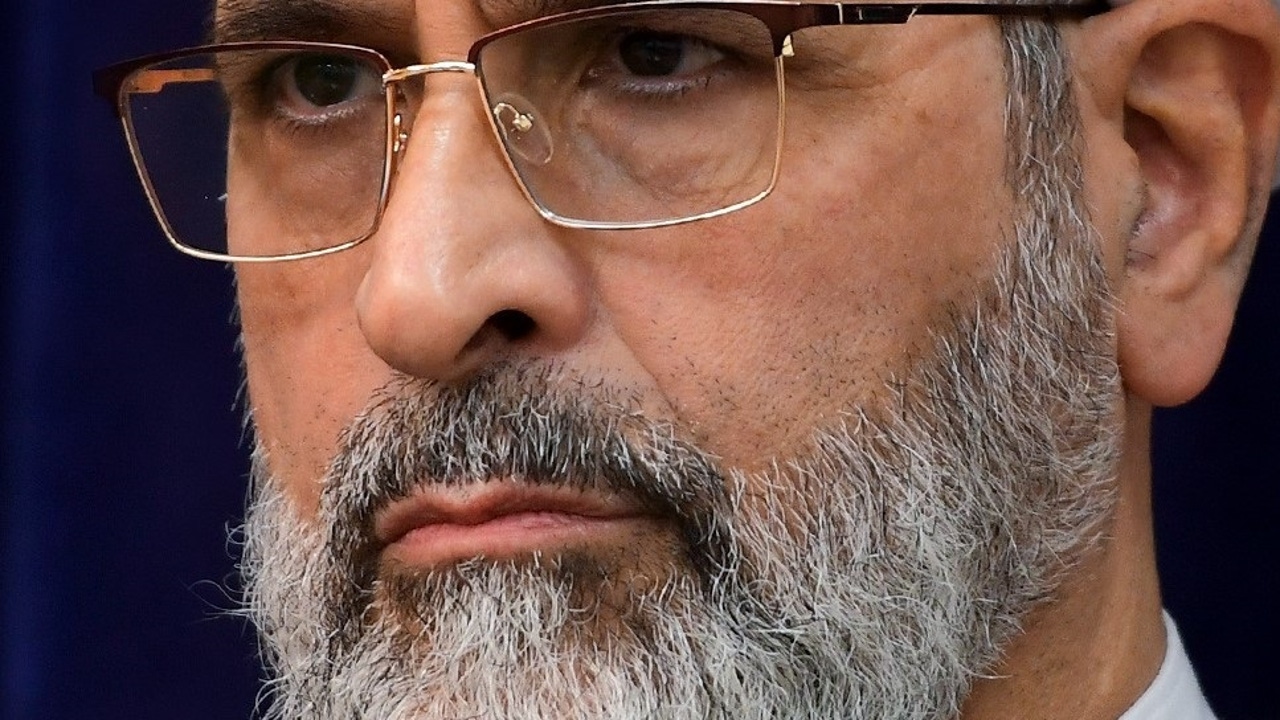
The cleric Alireza Arafi has been chosen to complete the last vertex of the Leadership Council of Iran, the transitional triumvirate formed together with the country’s president, Masud Pezeshkian, and the head of the Judiciary, Gholamhosein Mohseni-Ejei, to provisionally fill the void left after the death of Supreme Leader Ali Khamenei with a view to the upcoming election of a successor.
Arafi seems, at first glance, distant from the Iranian leadership and its security establishment but in reality he is deeply involved in the daily affairs of the clerical establishment.
Clergyman and jurist
The 67-year-old cleric is second vice president of the Assembly of Experts (the deliberative body that elects the supreme leader) and has been a member of the powerful Council of Guardians, which examines electoral candidates and laws passed by Parliament, and also serves as president of the Islamic Seminaries of Iran. In 2022 he was received in a private audience by Pope Francis.
The Iranian Government has not wasted a minute in recomposing its leadership in full continuation of the joint operations of the US and Israel against the country.
How Iran’s supreme leader is chosen
The supreme leader of Iran is the country’s highest political authority. His is the power to define the general policies of the Islamic Republic and the appointment of high positions such as the command of the Armed Forces, the president of the Judiciary, the head of public television or the commander in chief of the powerful Guardians of the Revolution, according to the country’s Constitution.
He also directly elects half of the members of the Guardian Council, a body that vetoes candidates – the other half is appointed by the head of the judiciary, who is also chosen by the supreme leader – and in fact signs the decree that formalizes the election of a president.
Article 111 of the Iranian Constitution establishes that the supreme leader of the Islamic Republic is appointed “in the shortest possible time” by the Assembly of Experts, a body made up of 88 clerics that is elected at the polls every four years, the last time being in the March 2024 elections.
The election of the leader requires the majority of the votes of the representatives present at the session, that is, half plus one.
