
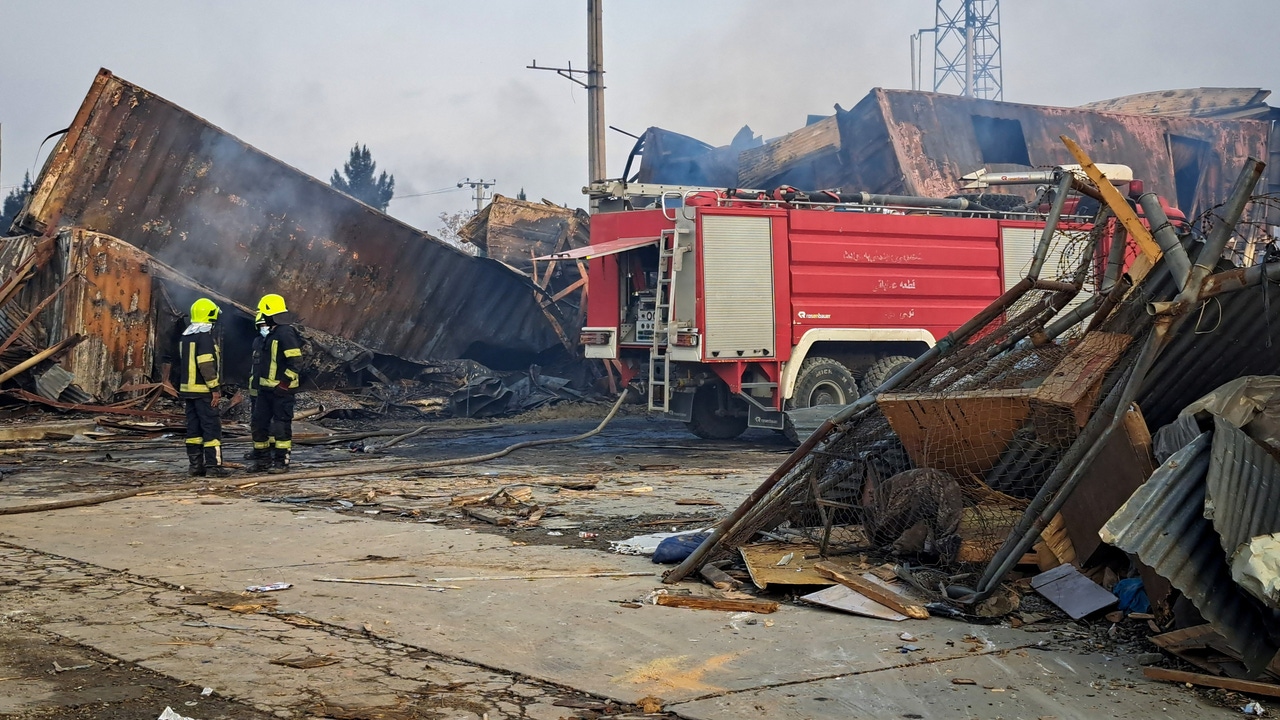
Around 9 p.m. yesterday, Monday, March 16, 5:30 p.m. peninsular time, the Pakistani army carried out an air attack against a center intended for the care of people with addictions, causing the death of at least 400 people and wounding 250.
The deputy spokesman for the Taliban Executive, Hamdullah Fitrat, in a message published on his social networks, has confirmed this information, communicating that “unfortunately, the death toll so far amounts to 400, while it has been reported that another 250 people have been injured.”
The Taliban Government has announced that rescue teams continue trying to control the fire resulting from the explosion.
The Omid Addiction Treatment Hospital in Kabul has a capacity of around 2,000 beds, according to Fitrat. “As a result of the attack, large areas of the hospital have been destroyed and there is great concern about the high number of victims,” the spokesperson acknowledged.
For its part, Pakistan’s Ministry of Information has denied that there has been an attack on a hospital in Kabul, alleging that the bombing has targeted “military facilities and infrastructure supporting terrorism, including warehouses of technical equipment and ammunition of the Afghan Taliban and Tehrik e Taliban Pakistan (TTP) in Kabul and Nangarhar that were being used against innocent Pakistani civilians.”
It should be remembered that the border area between both countries has been a scene of tensions and insecurity for years, especially due to attacks by the TTP group, and in the midst of Islamabad’s accusations against India and the Afghan Taliban for their alleged support for the organization, something that New Delhi and Kabul have denied.
This situation caused the conflict to escalate again at the end of last February, after a series of bombings by Islamabad against alleged targets of the TTP group, known as the Pakistani Taliban, and the Islamic State in the neighboring country, which led the established authorities to launch offensives on the border.
