
The war in the Middle East is two weeks old and its effects are beginning to be felt more and more. This week, oil returned to above $100 a barrel. Are we already on the verge of a major energy crisis?
The World Order explains in Julia in the wave Yes, we are on the verge of a major energy crisis of unprecedented dimensions because the closure of the Strait of Hormuz has never occurred before. Until then, Iran had threatened to block it, but had never done so because of the economic consequences it could have. Now, with the start of this war, Tehran has made the decision and that is why Donald Trump is so insistent on securing it in an international naval operation that would involve sending military personnel and personnel on the ground.
The blockade of the strait, together with these attacks by Iran against the infrastructure of its Arab neighbors, has led the countries of the Persian Gulf to reduce their production because they have no way to export that production or store it. In fact, the IEA has already stated that this war has caused the greatest interruption of oil supply in history: “We are talking about an unprecedented crisis.”
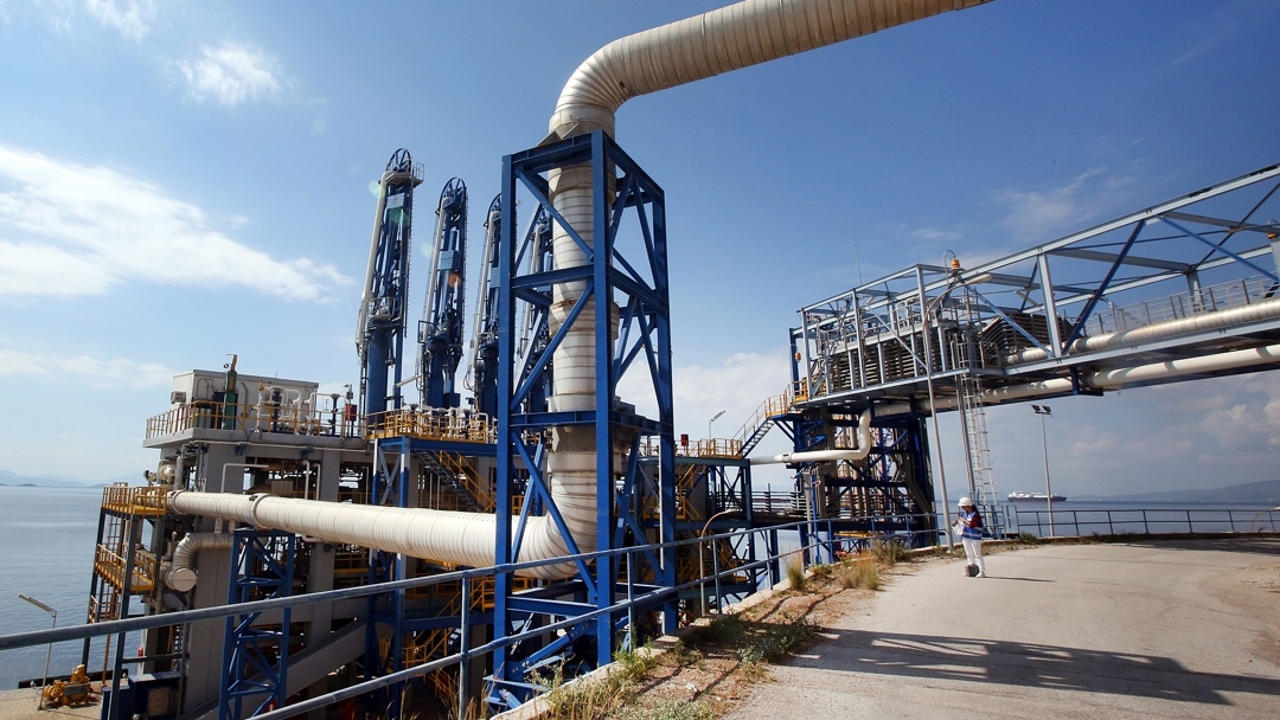
How it will affect us: concern about liquefied natural gas
Immediately, the prices of gasoline and diesel have already increased, but there are other implications that can affect the global economy: “Moving beyond 2 euros per liter of diesel or 100 dollars per barrel is psychologically very powerful, but it is true that the more time passes, the less effective it is in terms of purchasing power. In 2008, the price of a barrel reached 216 dollars a barrel, which would be like 300 dollars today. So the current scenario is not absolutely a scenario. catastrophic.”
But despite this, the situation “is serious” because what we are going to begin to see is skyrocketing “inflation” in many Western countries that are exposed to a very high consumption of hydrocarbons that they cannot generate on their own – as the United States does. Therefore, what will be most affected are the transportation and electrical industries: “A rise in energy and electricity prices will cause their costs to skyrocket.”
Spain’s “serious problem” with liquefied gas
In the case of Spain, they explain that there is something that is not being paid much attention and that is that by the end of 2026, our country has to completely stop importing natural gas from Russia. Until now, what is prohibited is importing Russian gas by pipeline, but it is legal to bring it by ship.
However, at the end of the year, “this ends and in Spain we continue to import a lot of liquefied natural gas from Russia and right now we do not have an alternative. We have already got into trouble with Algeria with the recognition of Western Sahara and the Gulf, it is difficult to bring it cheaply, so in Spain we have a quite serious problem.”
Another problem is that if inflation rises, interest rates will rise, making mortgages and loans more expensive. In addition, inflation will rise and little economic growth will occur.
