
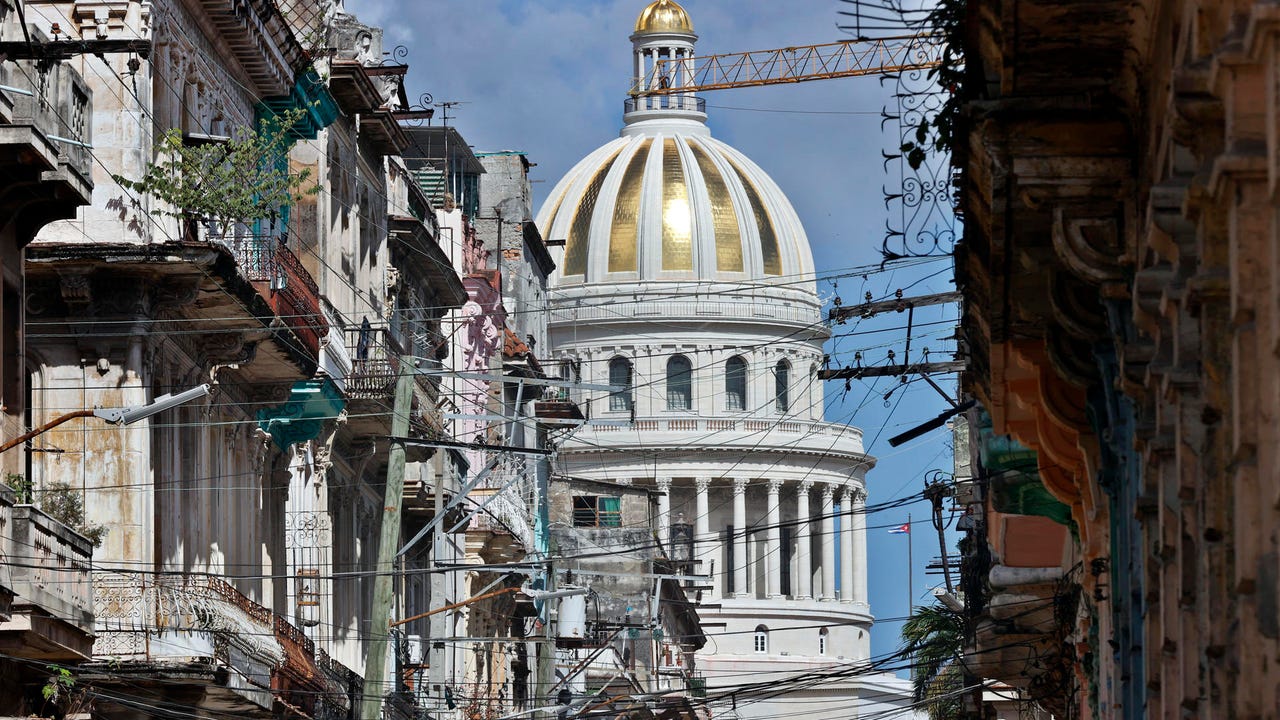
Cuba is going through a new extreme situation, marked this time by a serious fuel shortage that is affecting daily life throughout the island. The energy crisis is reminiscent of the harsh nineties, when after the fall of the Soviet Union the so-called “special period” began on the island, a period of profound economic scarcity aggravated by the embargo that the United States has maintained for decades.
Today, the oil shortage has once again placed the country in a critical situation. The lack of fuel has caused prolonged blackouts, transportation problems and severe limitations on economic activity. In some areas of the island, power outages can last for many hours a day because electricity generation barely covers part of the national demand.
Social discontent is growing among the Cuban population in a context of strong political pressure from Washington. US President Donald Trump has toughened his policy towards Havana and threatened to increase pressure to force political change on the island.
In Más de uno, Onda Cero’s correspondent in Latin America, Marcos González, has explained that the crisis is even affecting the cultural life of Cuban cities. In places where music and tourist activity once abounded, now the atmosphere is much more subdued due to the sharp drop in international visitors, a sector that in recent years had become one of the mainstays of the country’s economy.
The situation worsened especially after the kidnapping of Venezuelan President Nicolás Maduro by US forces, at which time Washington approved the interruption of the supply of oil from Venezuela, one of Cuba’s main energy suppliers.
Díaz Canel opens to talk with the United States
Faced with this scenario, Cuban President Miguel Díaz-Canel has reiterated on several occasions his willingness to dialogue with the United States, although he has stressed that this dialogue cannot take place “under oppression.” From Washington, however, Trump has insisted that the outcome of the situation in Cuba is only a matter of time.
In this sense, the Government of Cuba announced this Thursday that “in the coming days” it will release 51 people “sanctioned to deprivation of liberty”, after the intermediation of the Vatican, which has historically maintained dialogues with the island regarding review processes and release of prisoners.
“In the spirit of good will, of close and fluid relations between the Cuban State and the Vatican, with which communication has historically been maintained on the processes of review and release of people deprived of liberty, the Government of Cuba has decided to release in the coming days 51 people sanctioned to deprivation of liberty,” the Cuban Foreign Ministry announced in a statement.
Difficulties in everyday life
Meanwhile, the population faces increasing difficulties in their daily lives. The shortage affects food, medicine and basic services, and authorities have difficulties guaranteeing supply in the most remote areas of the country. In-person classes have been suspended at universities due to energy and logistical problems.
In this context of blackouts, shortages and economic erosion, social unrest continues to grow among Cubans, and more and more voices inside and outside the island are calling for political changes that will allow us to overcome the crisis that the country is going through.
