
At the end of the 90s and early 2000s, the actor Carlos Iglesias (Madrid, 1955) played Benito Lopera Perrote, a foul-mouthed bricklayer prone to laziness and outdated compliments whose greatest professional merit lay in the introduction of gotelé in Spain. Benito boasted of handling his Lolita like no one else, a pseudo-homemade contraption almost with a soul of its own who became, in her own right, a supporting actress in that serial.
The gotelé. A wall painting technique that, according to the RAE, “presents a relief in the form of small drops” and that was spread throughout homes throughout the country. Tastes aside, it had the virtue of camouflaging the small defects that the plastering would have left on the walls.
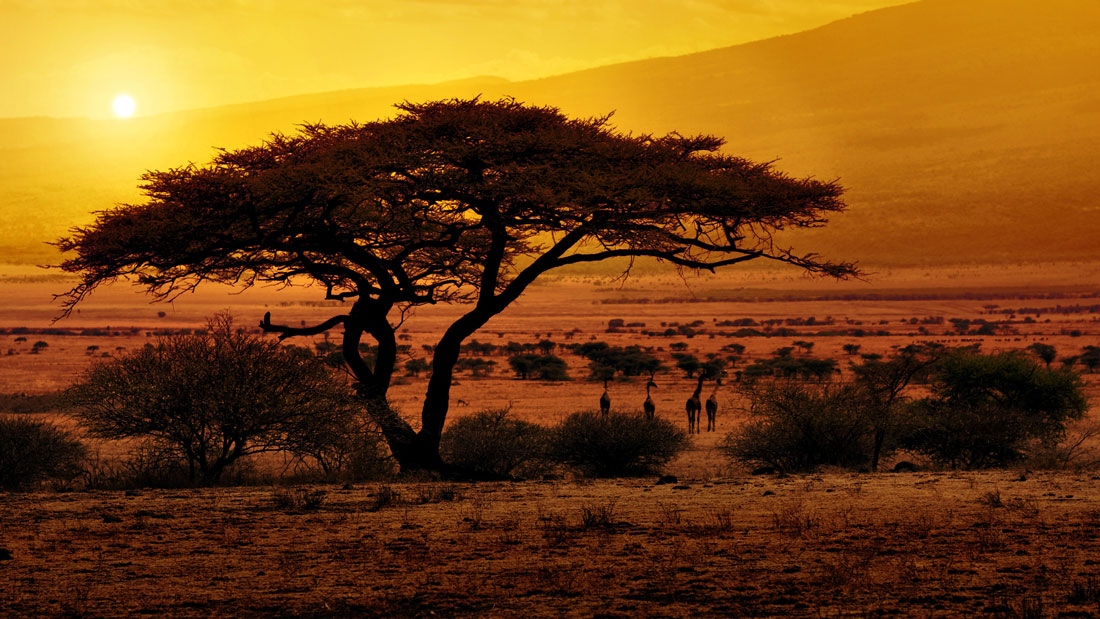
In one of his most recognized – and ironic – works, the Kenyan writer Binyavanga Wainaina (1971-2019) established the useful themes and expressions for any non-African author to write about the continent: «Always use the word ‘Africa’, ‘darkness’ or ‘safari’ in the title. Subtitles should include the words ‘Zanzibar’, ‘Maasai’, ‘Zulu’, ‘Zambezi’, ‘Congo’, ‘Nile’, ‘big’, ‘sky’, ‘drums’, ‘sun’ or ‘ancient’. (…) Note that the word ‘people’ means ‘non-black Africans’, while ‘the people’ means ‘black Africans’.”
Wainaina continued: «In your text, treat Africa as if it were a single country. It’s hot and dusty, full of rolling grasslands and huge herds of animals alongside tall, thin, starving people. (…) Don’t get bogged down with details and precise descriptions. Africa is big: 54 countries and 900 million (people) who are too busy starving, dying, fighting and migrating to read your book.
The discourses that are structured around the continent tend to be a master class in gotelé, of small droplets that are impregnated on a wall that we can never see clearly. A discursive gotelé that, above all, prevents us from seeing both the context of the wealth and poverty of the African people and the impacts that our time there has had on them.
Gotele. The necessary accomplice to make up for imperfection. The injustice. The reluctance. Or the past.
